Written by Misha Bhatt, Dental Hygienist and Therapist, BSc (University of Birmingham), GDC No. 277899
How often should you see a hygienist, and has anything changed since the last time you went?
Most people know a hygiene visit is good for them. Far fewer know how often to book one, what actually happens in the chair, or what the Airflow option on our price list is. As the hygiene team at Hacton Dental Care in Hornchurch, these are the questions we hear most, so here are honest answers, along with the signs that mean it is time to come in sooner.
Key takeaways
For many adults with healthy gums, a hygiene visit every six months works well alongside routine check-ups
If you have gum disease, or have had it, your hygienist will usually suggest a visit every three months to keep things stable
A scale and polish removes plaque and tartar from above and below the gum line, then smooths and polishes the teeth
Airflow is an add-on that uses warm water, air and a gentle powder to lift coffee, tea, red wine and tobacco staining
Bleeding gums, bad breath and new staining are all signs it may be time to book sooner
At Hacton you can book a hygienist directly, without seeing a dentist first
How often should you see a hygienist if your gums are healthy?
If your gums are healthy, a hygiene visit every six months suits most adults. It fits neatly alongside a routine check-up, and it means plaque that has hardened into tartar is cleared before it has the chance to irritate the gums.
Six months is a starting point rather than a rule. Your hygienist looks at your gums, your home routine and your history at each visit, and tells you whether that interval is right for you. Some people with very healthy gums and a careful routine do well with a slightly longer gap. Others build up tartar quickly and benefit from coming in a little more often.
Several things can change the interval, such as:
Smoking or vaping, which can hide gum bleeding and speed up gum problems
Diabetes, which is closely linked with gum health in both directions
Pregnancy, when hormone changes can make gums more prone to inflammation
Braces, retainers, bridges or implants, which create more places for plaque to collect
A history of gum disease in the past, even if things are stable now
Dry mouth, often a side effect of medication
You will never be booked in more often than you need. If your gums are looking good, we will say so.
How often should you see a hygienist with gum disease?
If you have active gum disease, or you have been treated for it, visits are usually closer together. Once gum disease has been brought under control, we usually recommend maintenance every three months instead of the standard six, because this is the single most useful thing you can do to keep it stable.
Gum disease starts as gingivitis, when plaque at the gum line makes the gums red, swollen and prone to bleeding. At this stage it can be reversed with hygiene treatment and a better routine at home. Left alone, it can move below the gum line and become periodontitis, which affects the bone that holds the teeth in place. Our page on gum disease in Hornchurch explains the stages in more detail, and our August blog on healthy gums covers what your gums may be trying to tell you.
For established gum disease we offer an advanced hygiene visit, a deeper clean below the gum line. It is often spread over two appointments so the whole mouth can be covered thoroughly. After that, regular maintenance visits keep the gums settled, and we measure your gum health each time so you can see how things are going.
What happens at a scale and polish in our Hornchurch practice?
A scale and polish is the standard hygiene appointment, and it covers more than the name suggests. A typical teeth cleaning in Hornchurch with our hygiene team includes five parts.
A full mouth scale: Plaque and tartar are removed from above and below the gum line, carefully and thoroughly.
A polish: Surface stain is lifted and the teeth are left feeling smooth, with either a standard polish or Airflow, depending on what you have booked.
Gum health measurements: Pocket depths are checked where needed, so we can track your gums from one visit to the next.
Advice on technique: Brushing and cleaning between the teeth, tailored to the shape of your own mouth.
Recommendations: If we find any gum problems, we explain what we suggest and why, with no pressure to decide in the chair.
The few minutes spent on technique are often the most valuable part of the appointment. Tartar that forms between visits can only be removed professionally, but plaque that is cleared well every day never gets the chance to harden. Better brushing at home does more for your gums in the long run than the clean itself.
You also see the same hygienist at every routine visit, so they know your mouth, remember what you discussed last time and can compare your gums year on year.

What is the difference between a scale and polish and Airflow?
A traditional scale and polish uses small instruments and a gentle polishing paste to clear deposits and smooth the tooth surface. Airflow is an add-on to the polish. It uses a fine spray of warm water, air and a gentle powder to lift stains from the teeth without scraping.
Patients who choose Airflow at our practice in Hornchurch often have one of these reasons.
They have coffee, tea, red wine or tobacco staining they would like lifted
They have found scraping uncomfortable at previous appointments
They wear braces or have implants and want a thorough clean around them
Many people find Airflow feels gentler, and it can reach stains in the spaces between teeth that a polishing cup finds harder to get to. It is not whitening, though. Airflow removes surface stain to reveal your natural tooth colour, while whitening changes the shade of the tooth itself.
You can add Airflow to a standard or an advanced hygiene visit. If you are not sure whether you need it, ask your hygienist at your next appointment. Our page on seeing a hygienist in Hornchurch sets out the options and fees for each visit.
Signs you are due a hygiene visit sooner
You do not have to wait for your next six-month slot if something has changed. It may be time to book sooner if you notice any of the following.
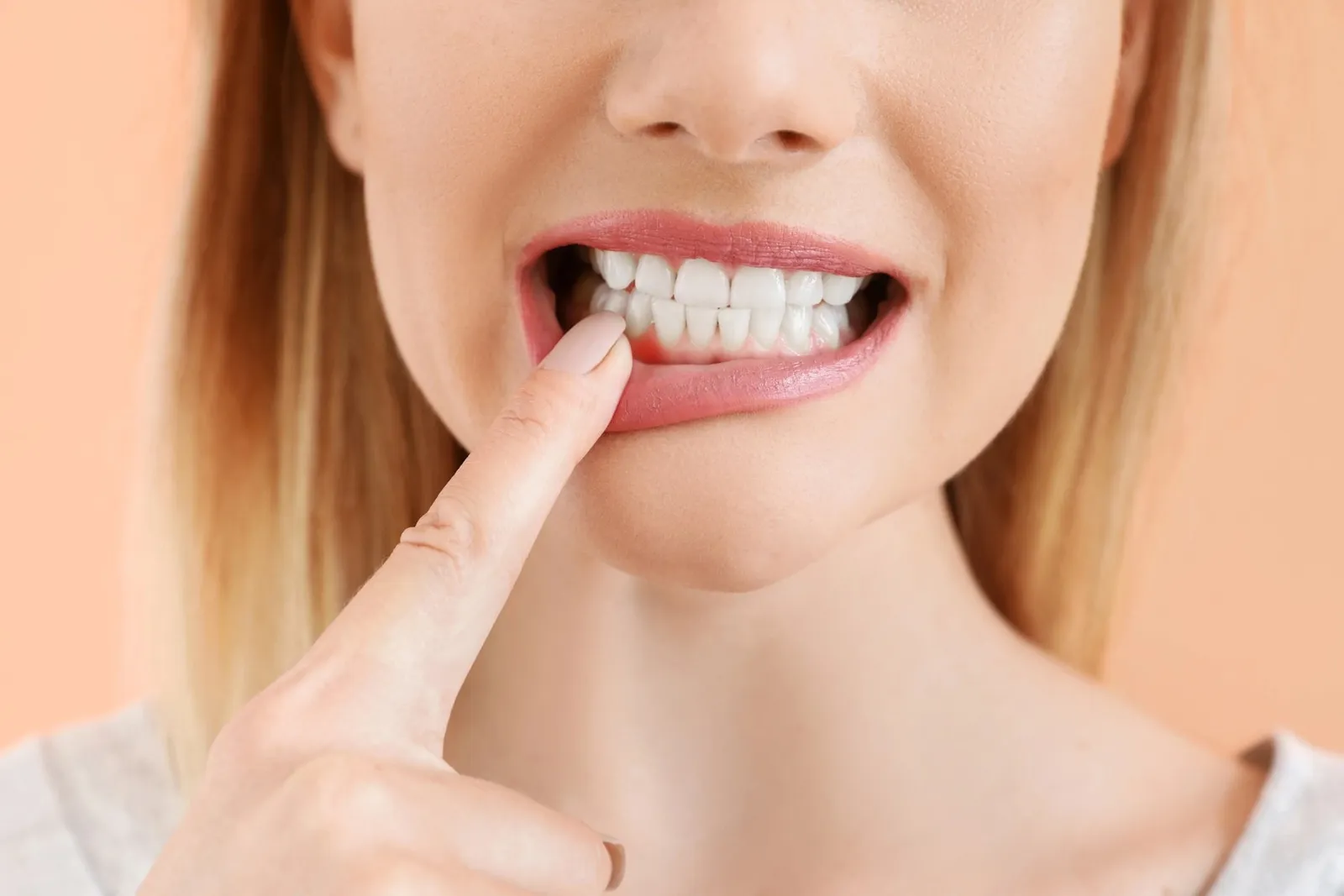
Gums that bleed when you brush or floss
Red, swollen or tender gums
Bad breath that does not shift with brushing
New staining, particularly between the teeth
Gums that look as if they are pulling back, so teeth appear longer
Teeth that feel loose or seem to have moved, however if an adult tooth becomes loose or changes position, contact your dentist promptly for an assessment
Bleeding is the sign people most often dismiss, yet it is usually the earliest warning that gums are inflamed. Caught at that stage, gum disease is often straightforward to bring back under control.
Can you book a hygienist without seeing a dentist first?
Yes, you can book a hygienist directly at Hacton Dental Care, without seeing a dentist first. For most people a hygiene visit is simply what they want, and there is no need for a separate appointment to get one.
If you have a specific worry about a tooth, such as pain, a chip or a filling that feels wrong, a dental check-up is the better place to start, and your dentist can arrange hygiene treatment alongside it. Members of our membership plan have routine hygiene visits included in their monthly fee.
Nervous about seeing the hygienist?
If a past hygiene appointment was uncomfortable, you are far from alone, and it is one of the most common things patients tell us. Modern hygiene care should not hurt, and there are several ways we make it more comfortable.
We adjust our technique for sensitive teeth and gums
Topical anaesthetic is available if scaling feels uncomfortable
Airflow is a gentler option for lifting stain without scraping
Your appointment can be paced to suit you, with breaks whenever you need them
Tell us before we start if you are anxious, and we will talk you through each step. The aim is for you to leave feeling fresher than when you arrived, not dreading the next visit.

Book a hygienist in Hornchurch
If it has been a while since your last clean, or you would like to try Airflow in Hornchurch, we would love to see you. Call us or book online, and you can see a hygienist without needing a dentist appointment first.
Call 01708 447 603
Book online at any time
Visit us at 1 Hacton Lane, Hornchurch, Essex, RM12 6PH, with free parking right outside the practice
Open Monday 9am to 6pm, Tuesday, Wednesday and Friday 9am to 5pm, and Thursday from 8am, with late and weekend appointments available on request
Hygiene fees are listed on our fees and finance page.
Frequently asked questions
What does a dental hygienist do?
A dental hygienist removes the plaque and tartar that build up on your teeth, checks the health of your gums and shows you how to clean your teeth effectively at home. Their focus is on preventing gum disease and keeping it under control.
How often should you get a scale and polish?
Most adults with healthy gums should get a scale and polish every six months. Your hygienist may suggest a different interval depending on your gums, your health and how quickly tartar builds up.
Do you need to see a hygienist every 3 months?
You may need to see a hygienist every 3 months if you have gum disease or have been treated for it. Closer visits can help keep your gums stable once the disease is under control. If your gums are healthy, six-monthly visits may be suitable, although your hygienist will recommend an interval based on your individual needs.
Is Airflow better than scale and polish?
Airflow is not a replacement for a scale and polish but an add-on that lifts surface stain more gently than a traditional polish. Many patients with coffee, tea or tobacco staining find it a good choice.
Does a scale and polish hurt?
A scale and polish should not hurt, although you may feel some pressure or sensitivity if your gums are inflamed. Tell your hygienist, and they can adjust their technique or use topical anaesthetic.
How painful is a tooth deep cleaning?
A tooth deep cleaning below the gum line is usually manageable, and topical anaesthetic can be used to keep you comfortable. Gums may feel tender for a day or two afterwards.
Can I book a hygienist without seeing a dentist?
You can book a hygienist without seeing a dentist at Hacton Dental Care. If you have a concern about a specific tooth, a check-up is the better starting point.
Is hygiene included in the Hacton membership plan?
Routine hygiene visits are included in the monthly fee for members of the Hacton membership plan. Our membership page explains what each plan covers.
Can a hygienist help with stained teeth?
A hygienist can help with stained teeth by removing surface stain from coffee, tea, red wine and tobacco, especially with Airflow. If you want your teeth lighter than their natural shade, whitening is the treatment to ask about.
Can I see a hygienist near Elm Park, Romford or Rainham?
If you are looking for a hygienist near Elm Park, Romford or Rainham, our Hornchurch practice is around ten minutes away by car, with free on-site parking. Patients also travel to us from Emerson Park.