Caught early, tooth decay is straightforward to fix with a white filling. Left alone, it works through the enamel, into the dentine and eventually into the nerve. The single best thing you can do is keep up with regular check-ups so we catch decay before you feel it.

Tooth decay (also called dental caries or cavities) is damage to the tooth caused by acid produced when bacteria in plaque break down sugars in the food and drink you consume. The acid gradually dissolves the enamel surface, creating a small hole that, untreated, works deeper through the tooth.
The decay process happens in stages:
Catching decay in the first two stages is straightforward. The later stages get more involved, more expensive and more uncomfortable.

The fundamental cause. Plaque is a sticky film of bacteria that constantly forms on your teeth. When you eat or drink anything sugary (or starchy), those bacteria produce acid that eats into the enamel.
It's not the total amount of sugar that causes decay so much as how often your teeth are exposed to it. Sipping a sugary drink throughout the day causes more decay than drinking the same amount in one go.
Plaque that isn't removed twice a day will harden into tartar within 24 to 48 hours, which only a hygienist can remove.
Saliva neutralises acid and washes away food debris. Conditions or medications that reduce saliva significantly increase decay risk.
Root surface is much softer than enamel and decays more easily. Higher risk for patients with gum recession from age or gum disease.
Stomach acid in the mouth (from reflux, frequent vomiting or eating disorders) erodes enamel and accelerates decay.

Early decay rarely hurts. By the time a tooth aches, the decay has usually reached the dentine or nerve. Earlier signs to look for:
The best way to catch decay early is a regular check-up. We use bitewing x-rays to see between teeth where the eye can't reach.
Fluoride treatment, improved brushing technique and dietary advice. Fully reversible with no drilling.
Read more →A small white filling. Around 30 to 45 minutes per tooth. From £195.
Read more →A larger filling or sometimes a crown. From £195 (filling) / £850 (crown).
Read more →Root canal treatment to save the tooth. From £400.
Read more →Root canal retreatment or, if the tooth can't be saved, extraction and replacement.
Read more →Implants, bridges or dentures to replace a tooth that couldn't be saved.
Read more →Let's take the first step towards your healthiest, most confident smile. Join our Hornchurch, Essex dental practice today.
Book nowOnly the very earliest stage (white spot lesions on the enamel) can be reversed with fluoride and improved brushing - once a cavity has formed it cannot self-heal and needs a filling.
Most early decay doesn't hurt. The reliable way to catch it is a regular check-up with bitewing x-rays - by the time a tooth aches, the decay has usually progressed significantly.
White composite fillings at Hacton Dental Care are from £195 per surface, with two-surface fillings from £250 and three-surface fillings from £350.
Yes - fluoride at the levels used in toothpaste and water fluoridation is safe and is the single most effective preventive measure for tooth decay according to current evidence.
No - Hacton Dental Care places tooth-coloured composite fillings as standard, which bond directly to the tooth and look natural.
Most healthy adults need a check-up every six months, while patients at higher decay risk may be seen every three or four months.
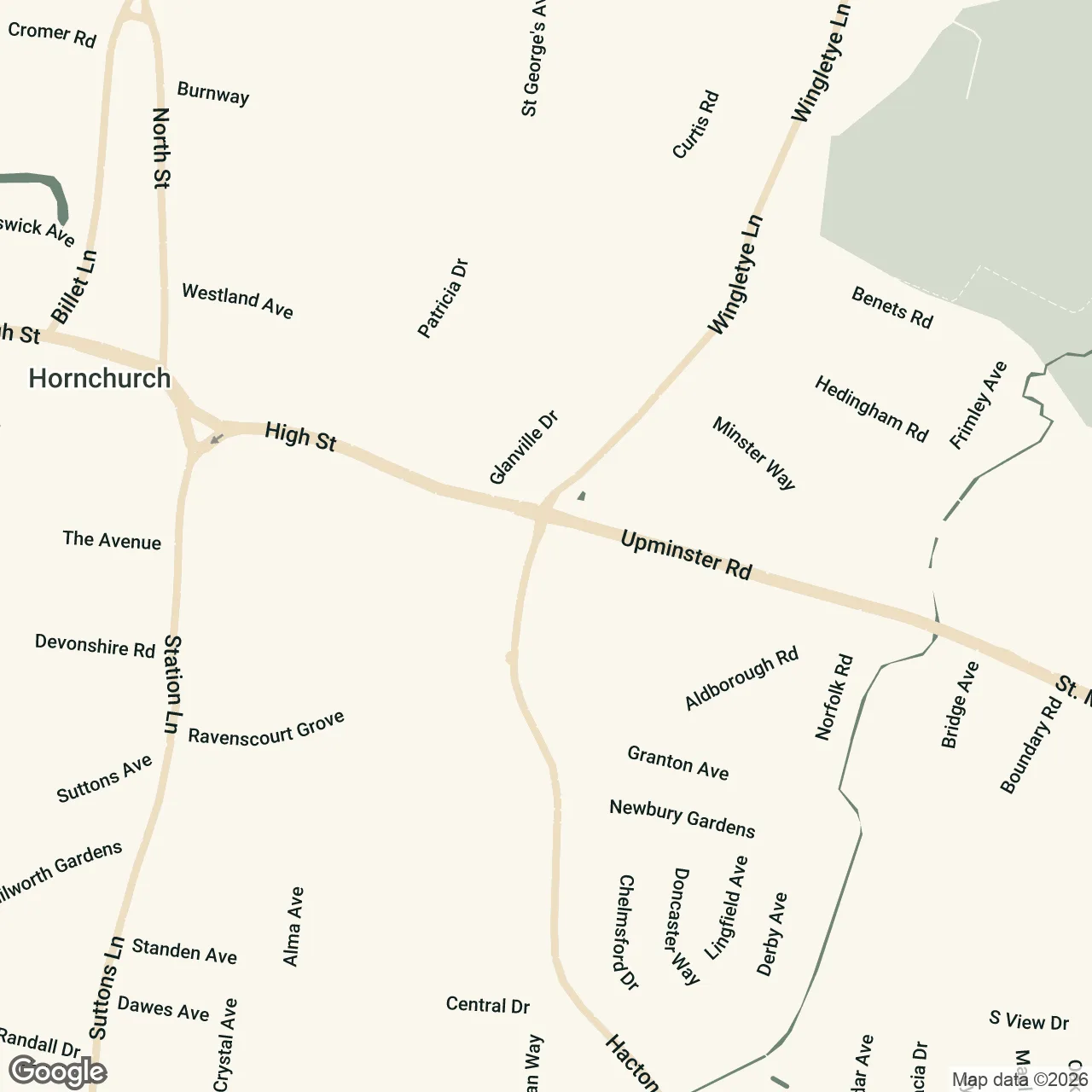
Hacton Dental Care is in Hornchurch and a ten minute drive from Upminster, Romford, Elm Park and Rainham, with free on-site parking.
Closed daily 1.00pm – 2.00pm for lunch.
Report feedback on this page