Sensitivity to hot, cold or sweet things often has a clear underlying cause - and most causes are very treatable. A consultation will tell you what's behind it and what to do about it.

The most common cause. The root surface of a tooth is much more sensitive than the enamel-covered crown. When gums recede (often from over-aggressive brushing or gum disease), the exposed root reacts to temperature.
Acidic diet, acid reflux or grinding can wear the enamel thin enough to expose the more sensitive layer beneath.
A small crack can let temperature changes reach the nerve directly. Often felt as a sharp jolt rather than the lingering ache of decay.
Old fillings or crowns that have started to leak can let temperature reach the underlying tooth structure.
Some sensitivity is normal after a filling, crown or hygienist deep clean - this usually settles within a few weeks.
A cavity that hasn't reached the nerve yet can cause sensitivity to sweet foods and cold liquids.

For decay or worn enamel.
Read more →For a cracked tooth.
Read more →For failing existing restorations.
Read more →If the nerve is involved.
Read more →For gum-related sensitivity.
Read more →For grinding-related wear.
Read more →Let's take the first step towards your healthiest, most confident smile. Join our Hornchurch, Essex dental practice today.
Book nowThe most common cause is exposed root surface from gum recession or worn enamel, both of which a check-up can identify and address.
Sensitivity toothpastes typically take 2 to 4 weeks of consistent use (twice daily) to take full effect.
Yes, especially if the sensitivity is sharp, lasts more than a few seconds after the trigger goes away, or is in only one specific tooth - these can suggest a cracked tooth or active decay.
Most causes are treatable, although exposed root from gum recession may always be slightly more sensitive than enamel - sensitivity toothpaste manages this in the long term for most patients.
Some patients have temporary sensitivity during whitening which always resolves after treatment ends, and we can adjust the protocol if you're prone to sensitivity.
A single sensitive tooth often suggests a specific cause like a crack, a leaking filling or early decay - a check-up will identify which.
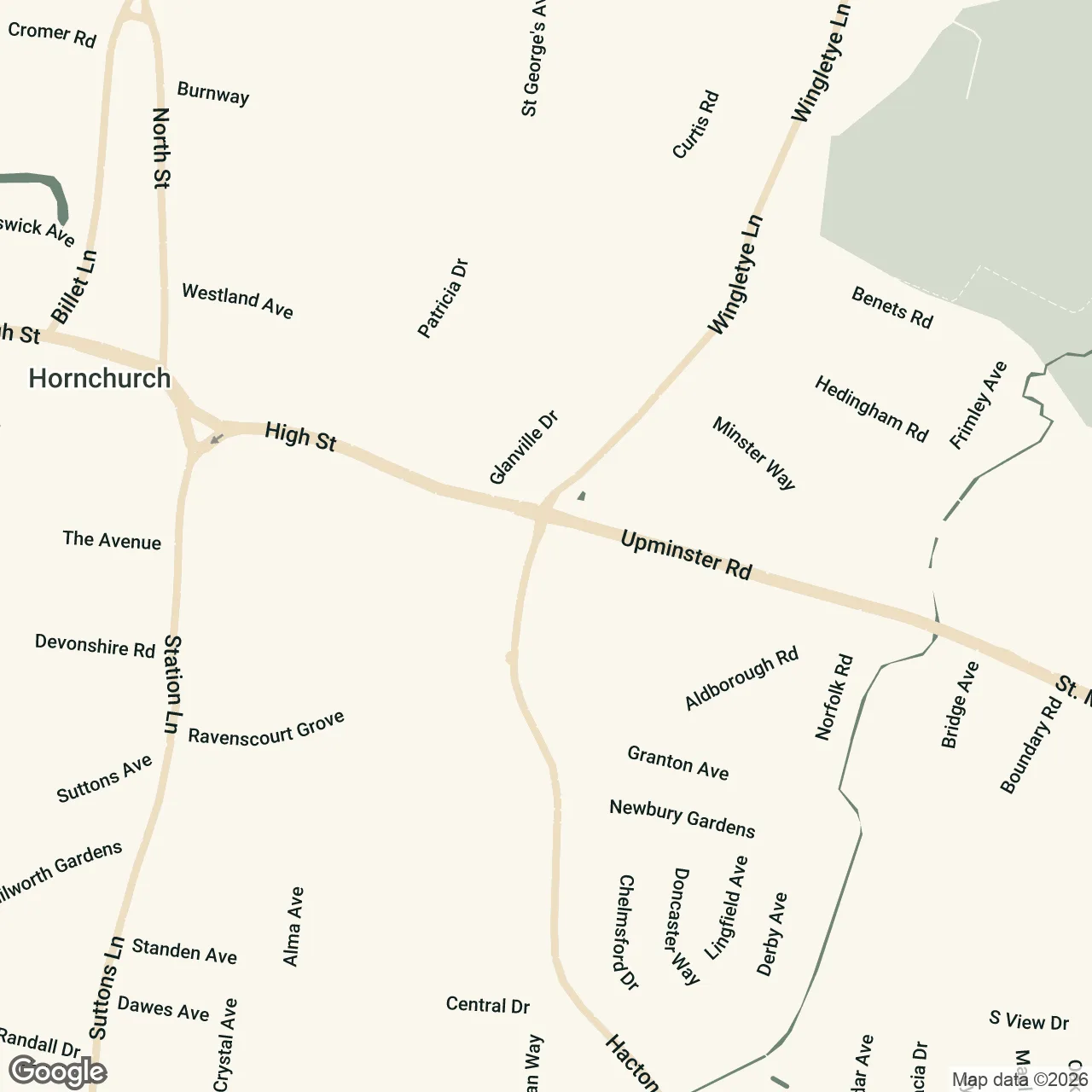
Hacton Dental Care is in Hornchurch and a ten minute drive from Upminster, Romford, Elm Park and Rainham, with free on-site parking.
Closed daily 1.00pm – 2.00pm for lunch.
Report feedback on this page